

oval led mirror
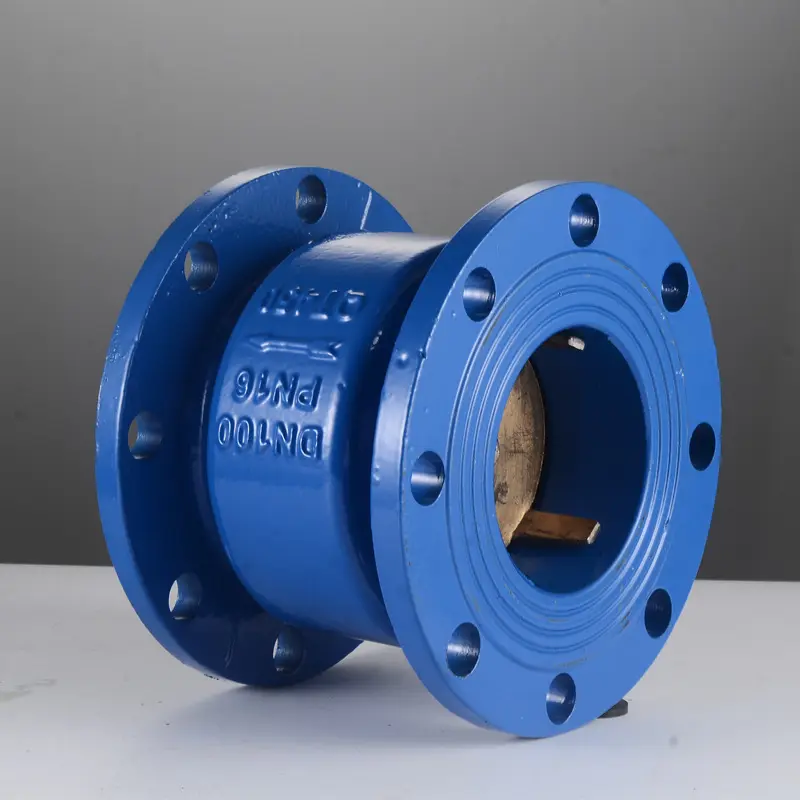
Selecting the optimal materials for backcheck valves deployed in corrosive, high-pressure, or abrasive environments is a critical wholesale procurement decision. Material failure can trigger system-wide shutdowns, safety hazards, and costly bulk replacements. This guide equips wholesale buyers with technical frameworks to specify valves engineered for longevity. At the core of Storaen (Cangzhou) International Trading Co. portfolio lies its unparalleled expertise in cast iron welding platforms, measuring tools, plug gauges, ring gauges, and valves. These products, crafted with meticulous attention to detail and backed by stringent quality control measures, embody the hallmark of reliability and durability, catering to the diverse needs of industries worldwide. Situated amidst a bustling ecosystem of top-tier raw material suppliers and skilled labor, Storaen (Cangzhou) International Trading Co. gains a competitive edge, ensuring access to premium resources that fuel its manufacturing prowess. Why Material Choice Dictates Backcheck Valve Survival in Harsh Settings The operating environment directly determines material compatibility for backflow check valves . Wholesale buyers must prioritize chemical, thermal, and mechanical resilience. Chemical Attack Prevention: Acids, alkalis, and solvents degrade incompatible metals. Example:Chlorides in seawater rapidly stainless steel but minimally affect super duplex backcheck valves . Abrasion & Erosion Resistance: Slurries or particulate-laden flows erode valve seats. Tungsten-carbide coatings extend slow closing check valve lifespan in mining applications. Temperature Extremes: Cyclic thermal stress cracks brittle materials. For steam lines, carbon steel bodies outperform standard brass backflow check valves . Pressure Spikes: High-PSI systems demand hardened alloys. The Wholesale Buyer’s B ackflow C heck V alve Material Selection Protocol Implement this 5-step methodology for bulk backflow check valve procurement: Threat Mapping: Audit fluid composition, max pressure/temperature, and abrasive solids. Test immersion samples if uncertain. Compliance Verification: Demand mill test reports validating alloy composition. For potable water, requirecertification on slow closing check valves . Seal & Seat Synergy: Pair metal bodies with chemically compatible seals. Example:seats for hydrocarbon backcheck valves . Accelerated Life Testing: Require suppliers to provide salt spray and pressure cycling test data on sample valves. Spare Parts Standardization: Order matching seal kits and balls with initial bulk purchase – reduces future downtime. Strategic Sourcing: Securing Industrial-Grade Backcheck Valves at Scale Wholesale success hinges on supplier capabilities and logistics: Volume Manufacturing Capacity: Confirm ability to produce batches with metallurgical consistency. Laser-marked material grades prevent mix-ups. Raw Material Traceability: Insist oncertificates tracking alloy origin – critical for compliance. Customization Flexibility: Suppliers should offer tailored coatings or specialized trim for unique slow closing check valve requirements. Global Logistics: Prioritize partners with compliant packaging (vapor corrosion inhibitors, desiccant packs) for overseas bulk shipments. Lifecycle Cost Analysis: Calculate overyears – premium alloys often deliversavings versus replacements of inferior backflow check valves . FAQ: Material Dilemmas for Backcheck Valve Wholesalers How do I verify material authenticity in bulk backcheck valve shipments? Demand original mill test reports with heat numbers matching valve markings. Conduct handheld XRF alloy verification on of received backcheck valves per batch. Are polymer-bodied backflow check valves viable for chemical plants? Limited to low-pressure/low-temperature applications. Metal-bodied backflow check valves remain superior for harsh industrial use. What certifications are non-negotiable for corrosive service backcheck valves? Sulfide stress cracking, offshore, and pressure integrity. Can we mix materials within a slow closing backflow check valve assembly? Yes – strategically. Example: 316L body with ball for sulfuric acid service versus full slow closing check valves . Ensure galvanic compatibility. Why invest in super duplex for seawater backflow check valves instead of 316L? Super duplex withstands chloride concentrations higher than 316L. In desalination plants, it lasts years versus years for 316L . In harsh environments, material selection isn’t an incremental cost – it’s insurance against catastrophic failure. Wholesale buyers who master alloy science and supplier vetting achieve lower lifetime costs. Remember: Documented material traceability, accelerated testing data, and spare parts integration transform bulk backcheck valve procurement from a commodity purchase to a strategic asset. Partner with manufacturers to turn extreme conditions into manageable variables. By understanding the material science behind alloys, buyers can specify components that not only meet but exceed the demands of harsh conditions. This involves working closely with suppliers who can provide detailed documentation of material traceability, ensuring that each component can be traced back to its raw materials and manufacturing process. Additionally, accelerated testing data provides insights into how the valve will perform over its lifetime under extreme conditions, allowing for proactive maintenance and replacement strategies. Integrating spare parts into the procurement process ensures that critical components are always on hand, minimizing downtime and maximizing operational efficiency. Together, these strategies transform the procurement of backcheck valves from a routine expense into a strategic investment in the reliability and longevity of the overall system.
about
oval led mirror
Understanding Bore Gauges A Deep Dive into the 18mm and 35mm Variants Bore gauges are essential tools in precision engineering and manufacturing, specifically used for measuring the internal diameter of holes, cylinders, and other circular openings. Among the various types of bore gauges available, those with specifications of 18mm and 35mm serve unique purposes in industrial applications. This article aims to explore the features, uses, and advantages of these bore gauge dimensions, enhancing our understanding of their significance in maintaining quality standards. What is a Bore Gauge? A bore gauge is a measurement tool designed for internal diameters, often used in conjunction with a micrometer or caliper. The gauge typically comprises a handle, a measuring probe, and a mechanism to ensure precise readings. The design allows for easy insertion into a hole, where the measuring probe expands or adjusts to contact the walls of the bore. This contact allows for accurate measurement of the internal diameter, ensuring that components fit correctly and function as intended. Features of 18mm and 35mm Bore Gauges 1. Size and Range The 18mm bore gauge is perfect for measuring smaller holes found in precision machinery, automotive parts, and intricate components, whereas the 35mm variant addresses larger openings typically found in industrial applications such as pumps, valves, and heavy machinery. 2. Precision Measurement Both sizes are designed to offer high precision, often achieving resolutions in micrometers (µm). The 18mm gauge is ideal for tighter tolerances, while the 35mm version can handle slightly broader tolerances while still delivering reliable results. 3. Material and Durability Typically made from high-quality steel or carbide, both gauges are constructed to withstand heavy use in rigorous environments. Durability is critical, as bore gauges endure constant handling and exposure to varying temperatures and conditions. 4. Ease of Use Bore gauges feature ergonomic designs that enhance user experience, often equipped with easy-to-read dials or digital displays. This user-friendliness is vital to ensuring that operators can achieve accurate measurements without extensive training. Applications of Bore Gauges The applications of 18mm and 35mm bore gauges span numerous industries. bore gauge 18 35mm - Manufacturing In mechanical manufacturing, ensuring the correct internal dimensions is crucial for parts that need to fit together, such as gears, pistons, and bearings. The 18mm bore gauge finds significant use in small component fabrication, where precision is paramount. - Automotive Industry In automotive engineering, bore gauges are used to measure engine components, like cylinders, ensuring that they conform to strict specifications for performance and efficiency. - Aerospace The aerospace sector demands rigorous adherence to tolerances; thus, both 18mm and 35mm gauges are employed in the production of components like fuel injectors and turbine blades, where deviation can result in safety issues. - Quality Control In quality control processes, both bore gauge sizes are crucial in verifying that manufactured products meet design specifications. This verification is essential in maintaining consistency and reliability in production. Advantages of Using Bore Gauges The use of bore gauges provides several advantages, including - High Accuracy Bore gauges provide precise measurements, which are critical in applications where even the slightest deviation can lead to product failure. - Efficiency in Measurement Their quick and straightforward design allows for rapid assessments, improving workflow efficiency in busy production environments. - Versatility With different size options available, bore gauges can be used across various applications, making them a valuable investment for any shop or manufacturing facility. Conclusion In summary, 18mm and 35mm bore gauges are invaluable tools in precision measurement, serving vital roles across various industries. Their accuracy, durability, and ease of use make them indispensable in ensuring that components meet exact specifications, contributing to overall product quality and reliability. Whether in the automotive, aerospace, or manufacturing sectors, these gauges are instrumental in driving efficiency and maintaining high standards in production. As technology continues to evolve, the role of bore gauges will undoubtedly expand, reinforcing their importance in modern engineering practices.
-

High quality industrial productsagement

High quality industrial products
View Details -

Meet the diverse needs of customers

Meet the diverse needs of customers
View Details -

Strict quality control

Strict quality control
View Details -

Top raw materials

Top raw materials
View Details -

Trusted supplier

Trusted supplier
View Details
Our application

news and information
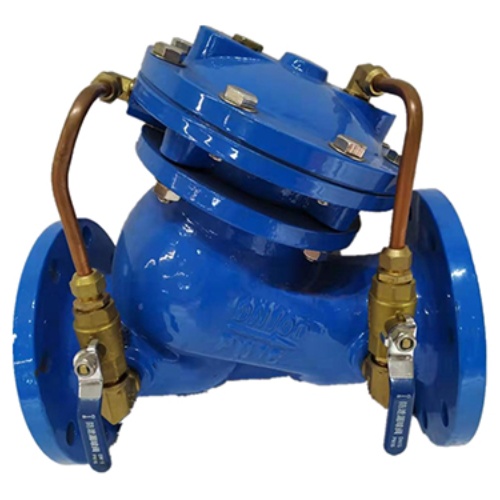
Van cổng 6 inch giá
Giá van cổng 6 inch Một số thông tin cần biết Van cổng là một trong những thiết bị quan trọng trong
Wooden Villa House Connection Solutions with Truss Mending Nail Plates for Structural Integrity
The Essential Role of Truss Mending Nail Plates in Wood Villa Construction Wooden villas exude charm

v block cost
Understanding V-Block Cost A Comprehensive Overview In the rapidly evolving landscape of technology
 English